Python is one of my core tools for transforming raw data into clear, reliable, and actionable insights. I use it to clean, analyze, visualize, and automate data workflows with a strong focus on accuracy, ethics, and reproducibility.
Data Cleaning & Preparation
I prepare raw datasets for analysis by:
-
Handling missing values
-
Formatting and standardizing data
-
Merging multiple data sources
-
Transforming variables and structures
-
Grouping and aggregating data for deeper insights
-
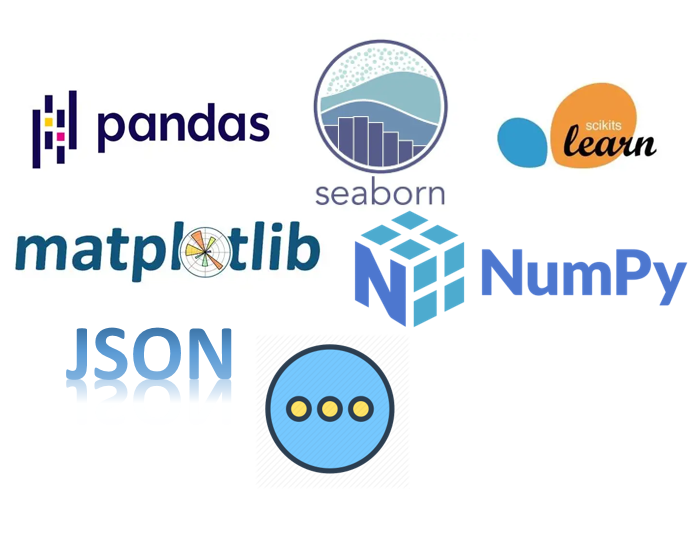
Using pandas and numpy to build clean, structured datasets
Exploratory Data Analysis (EDA)
I explore datasets to uncover:
This helps me understand the data before modeling or visualization.
Data Visualization
I create clear and impactful visualizations to communicate insights effectively. Libraries I use:
-
matplotlib — foundational charts
-
seaborn — statistical visualizations
-
plotly — interactive dashboards and advanced visuals
These tools allow me to present insights in a way that supports decision‑making.
Automation & Scripting
I build Python scripts to:
This ensures consistent and reproducible results.
Modeling & Forecasting (Basic Machine Learning)
When needed, I apply machine learning techniques using scikit‑learn:
-
Classification
-
Clustering
-
Predictive modeling
-
Forecasting
Always with a focus on interpretability and business value.
Data Ethics
I apply ethical principles in every step of the analysis:
-
Ensuring data privacy and confidentiality
-
Avoiding biased interpretations
-
Using transparent and explainable methods
-
Respecting data usage policies
Ethics guide how I collect, process, and communicate insights.